
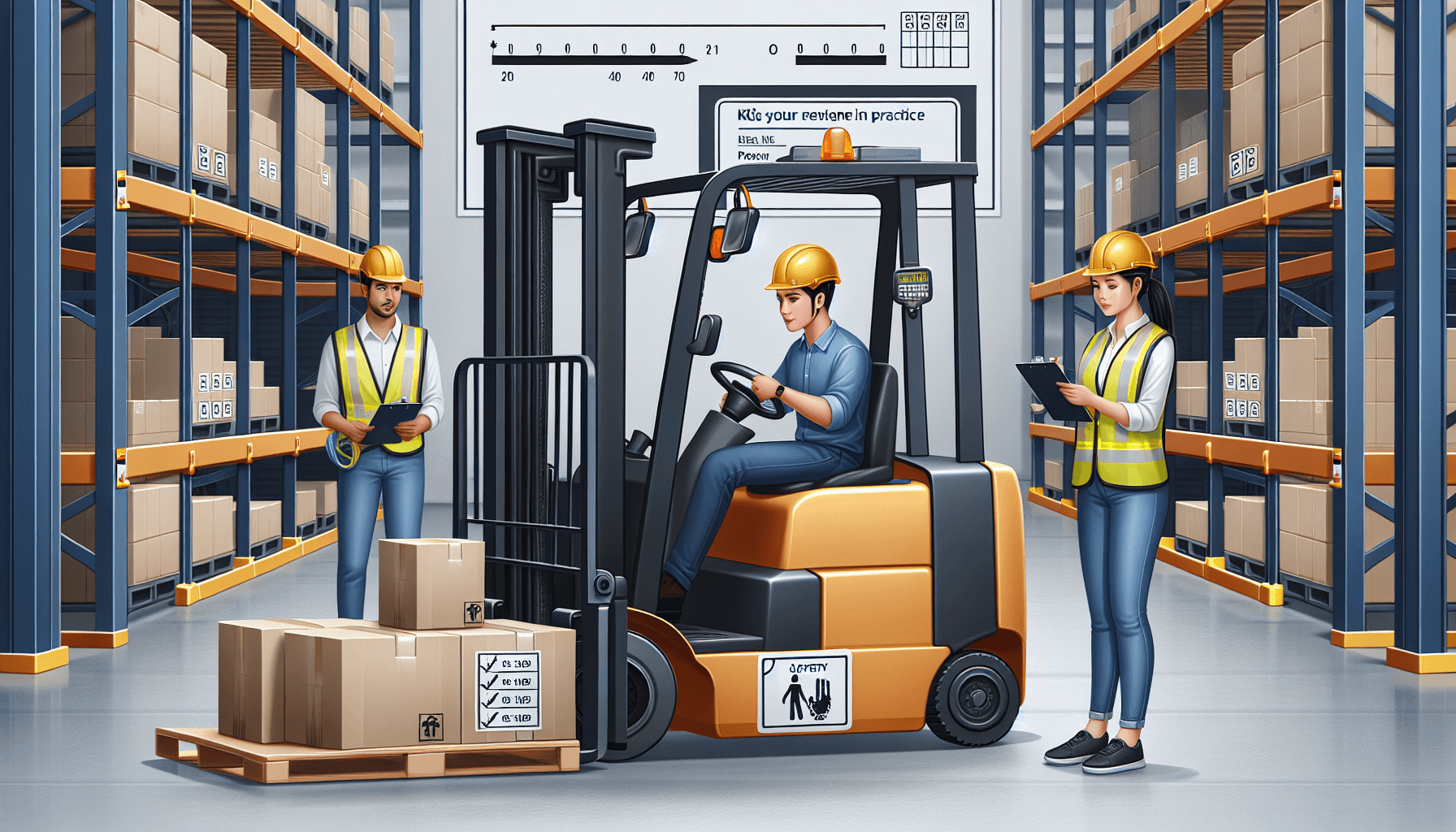
Forklifts are essential equipment in warehouse operations, aiding in the efficient movement of goods and materials. However, they can also present safety risks if not properly managed. That’s why it is crucial for warehouse managers to implement Forklift Safety Key Performance Indicators (KPIs) to ensure a safe working environment.
The Importance of Forklift Safety KPIs
Forklift accidents can result in serious injuries or even fatalities, not to mention costly damages to inventory and property. By implementing Forklift Safety KPIs, warehouse managers can proactively monitor and improve safety practices within their operations. These KPIs enable the identification of potential hazards, the evaluation of safety performance, and the implementation of corrective actions to mitigate risks and ensure compliance with industry standards and regulations.
Here are some essential steps to effectively implement Forklift Safety KPIs:
1. Define Clear Safety Objectives
Before implementing any KPIs, it is important to establish clear safety objectives that align with your company’s vision and values. These objectives should be specific, measurable, attainable, relevant, and time-bound (SMART). Examples of safety objectives could include reducing the number of forklift-related accidents, increasing employee compliance with safety protocols, and enhancing overall safety culture within the warehouse.
2. Determine Relevant Safety Metrics
Once safety objectives are defined, the next step is to identify the key safety metrics that will serve as indicators of performance. These metrics should be meaningful and provide actionable insights into safety trends and areas for improvement. Some common Forklift Safety KPIs include:
Assign a collection owner and reporting period to each metric, document inclusion rules, and keep the source records used in the calculation. Review changes in workload, staffing, and reporting practices before interpreting a trend.
- Forklift Incident Rate: For an internal exposure-based measure, divide defined forklift incidents by recorded forklift operating hours for the same period and multiply by a stated base, such as 10,000 hours. Track severity separately. This internal metric is not an OSHA recordable injury rate, which uses employee-hours worked and a 200,000-hour base.
- Near-Miss Reporting and Follow-Up: Track reports, potential severity, recurring hazards, and corrective actions completed by their due dates. More reports can reflect better reporting rather than worsening safety; fewer reports do not prove lower risk.
- Training Completion: Divide employees who have completed the training required for their roles by all employees required to complete that training, then multiply by 100. Define the reporting date and eligible population, and track operator training separately from pedestrian awareness training.
- Operator Training and Evaluation: Track the percentage of assigned operators with documented training and workplace evaluation appropriate to their trucks and working conditions. Under OSHA’s powered industrial truck rule, employers certify training and evaluation, performance must be evaluated at least every three years, and specified events trigger refresher training.
- Adherence to Safety Procedures: Define the procedure and observation method, then report compliant observations as a percentage of all applicable observations. Record serious deviations and corrective actions separately.
By tracking these metrics, you can gain a comprehensive understanding of your warehouse’s safety performance and make data-driven decisions to optimize safety practices.
3. Implement Data Collection and Reporting Mechanisms
To effectively monitor Forklift Safety KPIs, you need a robust data collection and reporting system in place. This can include digital tools, such as warehouse management software, IoT sensors, and forklift telematics, which capture relevant safety data in real-time. Additionally, regular safety inspections, incident reporting, and employee feedback mechanisms can further contribute to data collection efforts.
Ensure that the data collection process is streamlined and accessible to key stakeholders responsible for safety oversight. Establish regular reporting intervals, such as weekly or monthly, to review the KPI performance and identify trends or areas requiring immediate attention.
4. Set Targets and Develop Action Plans
Once you have collected and analyzed data, it’s time to set targets for each Forklift Safety KPI. These targets should be realistic and aligned with your safety objectives. For example, you may aim to reduce the accident frequency rate by 10% within the next quarter.
Developing action plans is crucial for achieving these targets. Determine the necessary steps, allocate resources, and communicate responsibilities to relevant personnel. Implementing preventive measures, conducting regular safety training sessions, and ensuring adherence to safety procedures are some strategies that can help improve forklift safety.
5. Monitor, Evaluate, and Continuously Improve
Regular monitoring and evaluation of Forklift Safety KPIs are essential to track progress, identify any gaps, and make appropriate adjustments. Reviewing safety reports, incident data, and near-miss events can provide insights into potential risks or areas that require additional attention.
Continuous improvement should be a core element of your forklift safety management approach. Regularly assess the effectiveness of implemented measures, seek employee feedback, and stay up to date with industry best practices. Consider conducting periodic warehouse safety evaluations, such as the one offered by HCO Innovations, to identify potential safety improvement opportunities.
Conclusion
Forklift accidents can have severe consequences, both in terms of human safety and financial impact. Implementing Forklift Safety KPIs provides a proactive approach to manage risks and ensure the well-being of warehouse personnel. By defining clear safety objectives, tracking relevant metrics, implementing effective data collection and reporting mechanisms, setting targets, and continuously monitoring and improving, warehouse managers can create a safer working environment for everyone involved.
Remember, safety should always be a top priority in warehouse operations, and Forklift Safety KPIs serve as valuable tools to achieve that goal.