
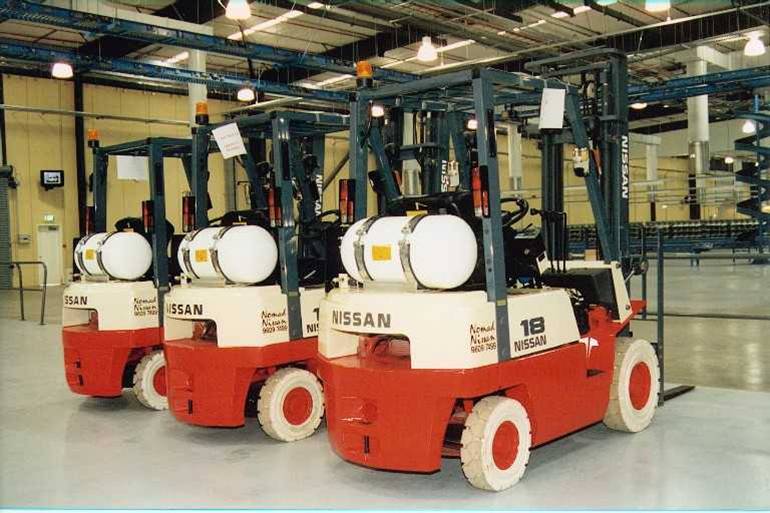
Liquefied petroleum gas (LPG) and compressed natural gas (CNG) are different fuels. Choosing between them requires a comparison of the forklifts, refueling arrangements, operating pattern, and costs at your facility.
Availability and refueling: Confirm compatible equipment and a reliable local supply before comparing fuel prices. Check the proposed storage or refueling arrangement, supplier service, refueling time, and applicable site requirements. CNG infrastructure can use different filling arrangements; a public station nearby does not by itself establish that a warehouse fleet can use it. Ask the equipment and fuel suppliers to confirm the proposed setup.
Cost: Use dated supplier quotes for your location and expected volume. Compare fuel on a consistent energy basis, then use measured or manufacturer-supported consumption for the relevant forklift and duty cycle. Include equipment, refueling infrastructure, maintenance, and time out of service. National retail averages are context, not a substitute for your delivered cost. Neither fuel is automatically cheaper for every operation.
Emissions and noise: Evaluate evidence for the specific truck, engine, pollutant, test method, and operating conditions. A comparison expressed per mile does not describe forklift work without the underlying test and duty cycle. Do not assume a fixed emissions reduction or noise advantage from the fuel name alone. Internal-combustion forklifts can create indoor air-quality hazards; ventilation, engine condition, and workplace exposure need their own assessment.
Choosing for your fleet: Compare a defined operating scenario before selecting a fuel. Record the assumptions, check them against actual operating data, and review fuel choice alongside lifecycle management of your forklift fleet. Any savings estimate should identify its baseline, period, implementation costs, and uncertainties.